

Cultural tales of luck exploring the significance of gambling across societies
Historical Perspectives on Gambling
The history of gambling stretches back thousands of years, deeply embedded in the fabric of various cultures. Ancient civilizations, such as the Chinese and Romans, utilized dice and betting games to entertain and engage their citizens. These early forms of gambling were not merely recreational; they served significant social and religious purposes, often believed to bring luck and fortune. For instance, in ancient China, gambling was connected to rites and ceremonies, symbolizing the delicate balance of fate and chance. Today, many players seek options like non gamstop uk casinos that offer diverse experiences, reminiscent of those ancient traditions.
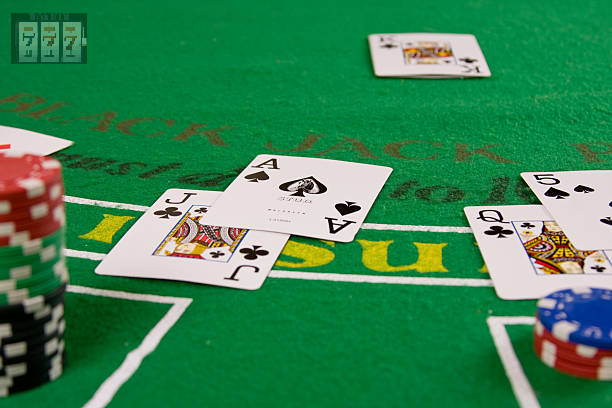
As societies evolved, so did the interpretation and practice of gambling. The introduction of card games in Europe during the Middle Ages transformed gambling into a more strategic and skill-based endeavor. This shift highlighted how different cultures perceived luck—while some viewed it as a mere chance, others embraced skill and strategy as vital components of successful gambling.
Cultural Beliefs Surrounding Luck
Cultural tales and folklore play a significant role in shaping beliefs about luck and gambling. Many societies have unique superstitions tied to gambling practices that reflect their values and traditions. For example, in many Western cultures, the number seven is considered lucky, often celebrated in casino games. Conversely, certain Asian cultures regard the number eight as auspicious, believing it brings wealth and prosperity.
These cultural beliefs often manifest in rituals and practices before engaging in gambling activities. Whether it’s carrying a lucky charm, performing specific gestures, or avoiding certain actions deemed unlucky, these rituals showcase how deeply intertwined luck is with gambling across different societies. These practices serve not only as psychological boosts for the gambler but also reinforce cultural identity.
The Rise of Online Gambling
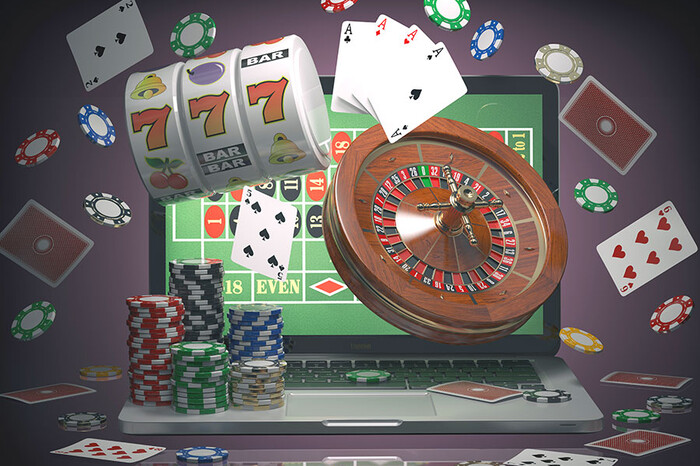
With the advent of technology, online gambling has rapidly gained popularity, transforming how people engage with games of chance. The convenience of accessing casinos and betting platforms from anywhere has attracted a diverse audience, breaking geographical and social barriers. However, the online gambling landscape introduces new challenges related to luck, risk, and responsibility.
Online gambling platforms often employ algorithms that can create an illusion of control for players, making it imperative to distinguish between luck and potential manipulation. This shift raises questions about how cultural perceptions of luck translate in the digital age. The essence of luck remains, but the dynamics of interaction have changed, necessitating a reevaluation of how various cultures approach gambling in an online environment.
Societal Impacts of Gambling
The significance of gambling transcends individual experiences, influencing societal norms, economies, and even legislation. In many countries, gambling is a major source of revenue, funding public services and community projects. However, the societal impacts are not solely positive; issues related to gambling addiction and the associated social costs are pressing concerns that require thoughtful discussion and policy intervention.
Moreover, gambling often reflects broader social attitudes toward risk and reward. Different cultures exhibit varying levels of acceptance of gambling, which can influence legal frameworks and community initiatives. Understanding these dynamics is crucial for fostering a balanced perspective on the role of gambling in society, emphasizing both its potential benefits and the need for responsible practices.
Exploring the Website’s Role in Gambling Culture
This website serves as a vital resource for exploring the intricate relationship between luck, culture, and gambling. By providing insights into various gambling practices across societies, it aims to educate readers on the diverse beliefs and traditions that shape their experiences. Whether you are an avid gambler or someone curious about the cultural significance of gambling, the content here caters to a wide audience.
Through engaging articles and research, the website emphasizes the importance of understanding gambling as a cultural phenomenon. It invites readers to delve into the stories behind luck and gambling, encouraging a deeper appreciation of how these elements intertwine across different societies, past and present.